Study the text研读文本
Read submitted scripts and related original works.阅读投稿剧本与相关文学原著。
The 15th short-play competition: supporting student agency through literary adaptation, drama, and creative dialogue.第15届名著新编短剧大赛:以经典改编、戏剧工作坊与创作对话,支持学生表达自己的判断。
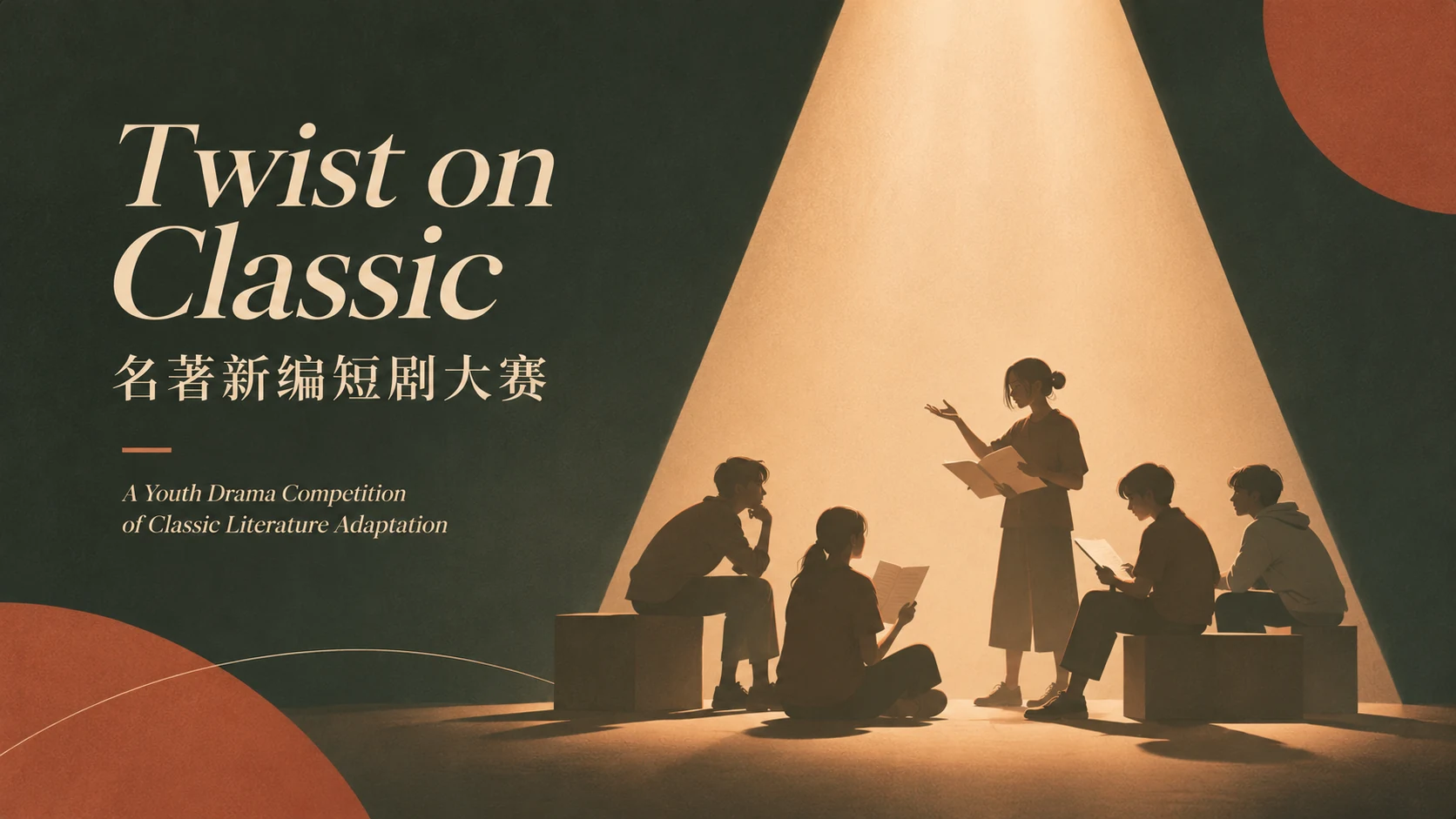
Twist on Classic is an annual short-play competition organized within Shenzhen’s public reading program and delivered by Shenzhen Children’s Library. Students adapt classic literature for the stage while retaining its central ideas and recognizable characters.「名著新编」是深圳少年儿童图书馆承办的年度阅读与戏剧活动。参赛学生需要尊重经典作品的核心思想与主要人物,同时用自己的视角改编故事、创作剧本并完成舞台演出。
In practice, schools entered with vastly different resources. Some had established drama clubs; others relied on teachers offering their evenings and weekends. A visiting professional workshop usually lasted only two to four hours.真实情况远比比赛规则复杂:有的学校拥有成熟戏剧社团,有的依赖在课余时间投入的教师;专业戏剧工作坊通常每所学校只有一次、约2—4小时。
The challenge was not to eliminate adult guidance. It was to make sure that guidance did not replace students’ own choices.问题不是要取消成人指导,而是如何让指导成为学生自主创作的脚手架,而不是直接替学生作出选择。
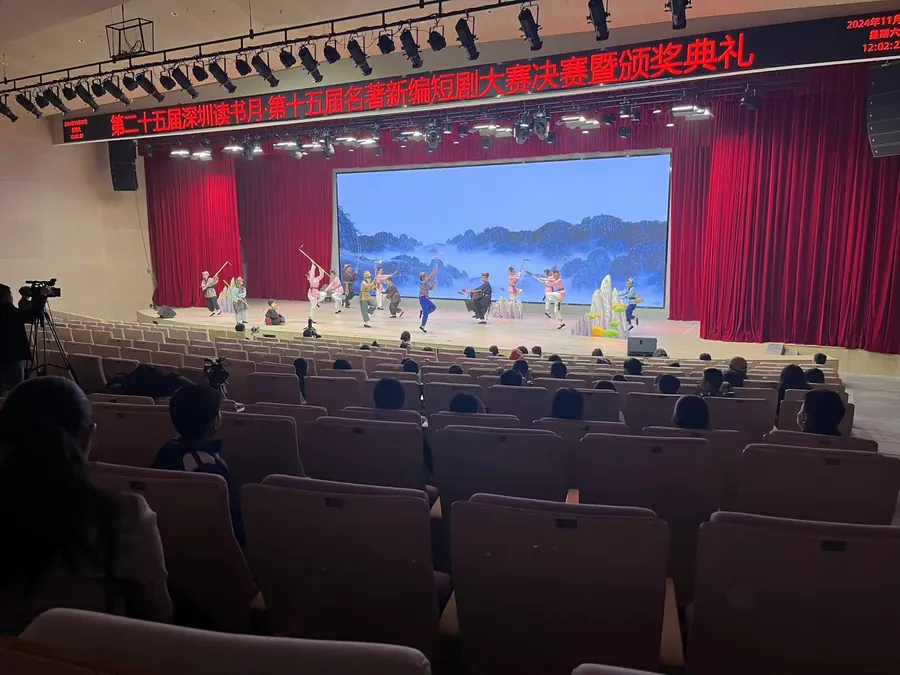
I worked directly with the competition lead as a program assistant. I supported submission review, prepared written script feedback, collaborated with professional drama educators, created selected promotional materials, and helped deliver the final event.作为项目助理,我直接与赛事负责人合作,参与投稿材料审核、书面剧本反馈、专业戏剧教师工作坊协作,以及部分宣传视觉设计和决赛执行。
Read submitted scripts and related original works.阅读投稿剧本与相关文学原著。
Identify story logic, character motivation and stage constraints.分析叙事逻辑、人物动机与舞台限制。
Use questions and rehearsal observations to explore alternatives.通过提问与现场排练观察共同探索方案。
Share actionable notes for teachers and student teams.整理可供教师及学生继续使用的反馈。
Before a workshop, I studied the script and the team’s preliminary video, often reread the original work, and sent written comments to the supervising teacher. During rehearsals, I collaborated with the professional drama educator, recorded changes, and discussed options with student writers and directors.工作坊前,我会结合初赛视频分析剧本,尽可能研读原著,并把书面建议提前发给指导教师;现场与专业戏剧教师协作,记录舞台调度与学生的疑问,再与学生编剧、导演一起讨论可行的修改。
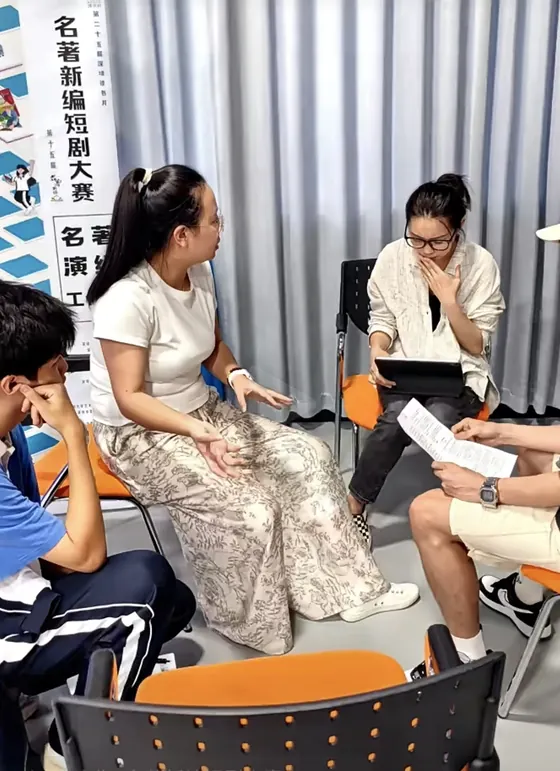
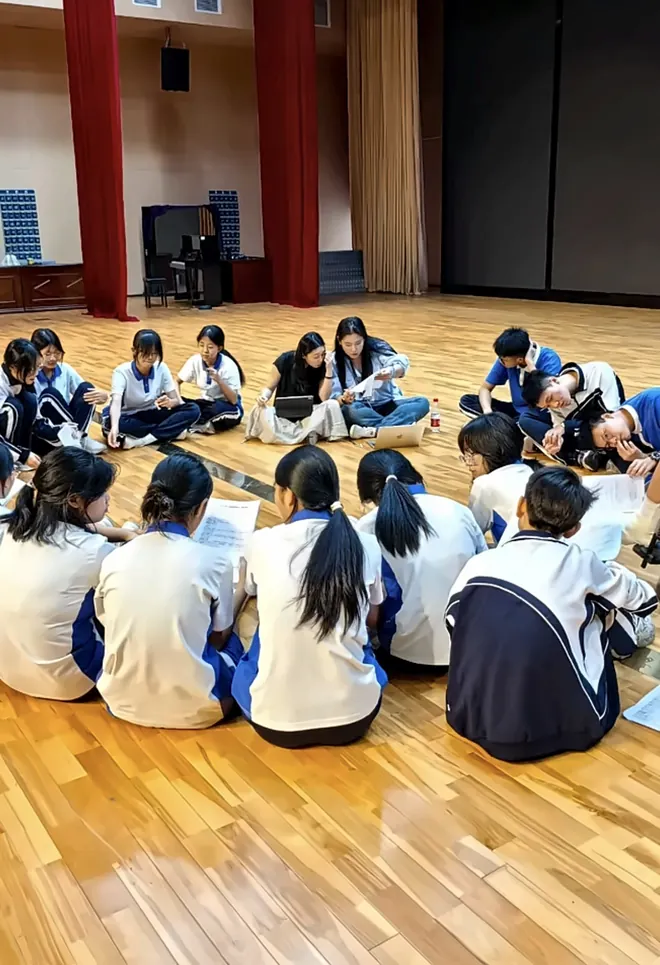
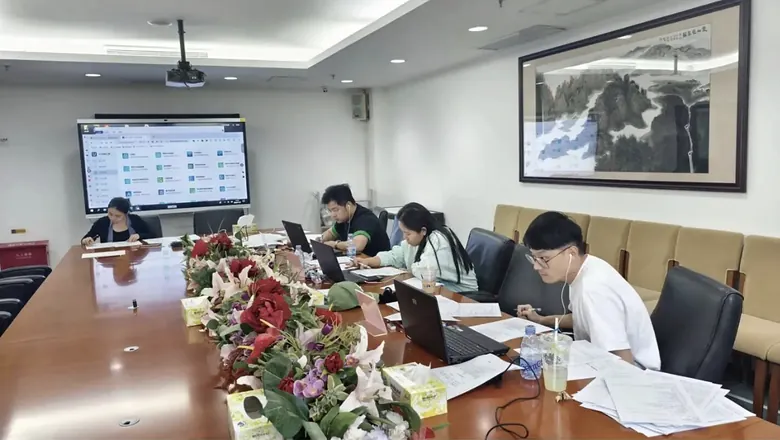
I also supported the preliminary submission checks and organized judges’ comments. My own assessments were discussed with the competition lead rather than presented as official judging decisions.我还参与了初赛材料审核与专业评委意见整理。对于作品的个人评价,我会与赛事负责人讨论,但并不作为专业评委的正式裁决。
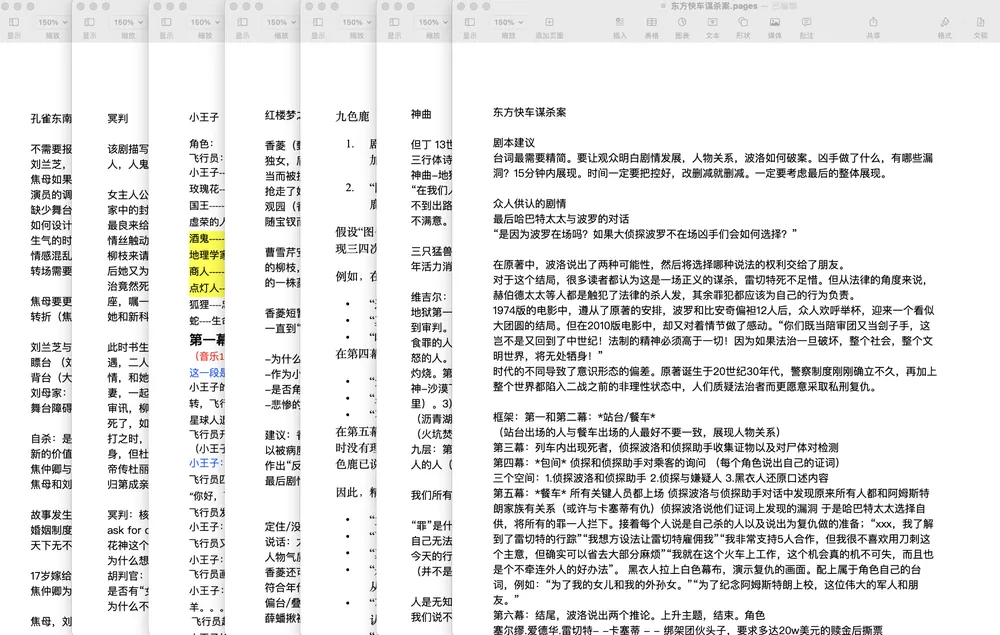
The Murder on the Orient Express notes organize the 15-minute script into six acts and include clues, dialogue, character lists, staging and rehearsal checks. The suggested activities are documented proposals, not all verified as implemented.《东方快车谋杀案》的修改建议文件包含15分钟六幕分配、线索与角色处理、舞台分区和试排检查。它记录的是可供师生参考的建议,并不意味着所有流程都已经实施。
These cases show specific ideas I contributed and changes adopted by the participating teams. The final artistic decisions and performances belonged to the students and their teachers.以下选取三部具体作品,展示我提出的修改建议以及师生团队实际采纳的变化。最终剧本、演出和艺术决定属于学生与指导教师团队。
Reframing fate through narrative perspective.从承受命运,到想象改变命运的可能。
The original school script followed Xiangling’s suffering in chronological order. I asked what young performers wanted to express and whether the protagonist’s life felt too distant for them to inhabit.原有剧本按照时间顺序讲述香菱悲惨的一生。我首先询问学生:为什么选择这个人物?想通过她表达什么?对小学生来说,她的经历是否过于遥远?
I proposed a reverse chronology in which several performers embody Xiangling at different ages. Looking back across her life, she imagines moments of resistance; the play closes with a symbolic gesture of leading herself home. The school team adopted this major structural proposal.我建议由不同演员演绎不同年龄阶段的香菱,让她从人生末端回望过往,以倒叙重新经历关键事件,并尝试作出反抗。结尾以“自己将自己送回家”象征性收束。这一较大的叙事结构调整获得了师生团队采纳。
Restoring character logic and staging a conversation across time.重建人物逻辑,用左右舞台让过去与现在对话。
The student adaptation already made bold changes to the source, but its renowned art appraiser suddenly made an implausible mistake. I questioned the cause: what if both paintings were genuine, but rumor—not faulty expertise—destroyed his reputation?学生剧本已经进行过较大胆的改编,但其中的鉴画大师突然犯下难以令人信服的错误。我提出:如果两幅画都是真迹,而毁掉他声誉的是黄三爷制造的谣言,会不会更符合人物设定?
I also suggested a split stage. A contemporary teahouse scene on one side reveals fragments of the past on the other, linked by lighting cues. The appraiser’s return becomes a late dramatic reversal. The team adopted the central plot logic and staging idea; the teacher chose a more definitive final line than my open-ended proposal.我还建议用左右双舞台和明暗灯光交错讲述:一侧是当下茶馆,另一侧重现过去,最终回到古玩铺,让蓝眼突然现身揭示真相。团队采纳了情节与空间建议,但教师最终选择比我设想更明确的结尾,这也成为一次真实的创作协商。
Making a mystery legible without flattening its moral questions.在15分钟里讲清案件,但不删掉真正重要的伦理争议。
With too many names and subplots for a short play, I recommended consolidating characters and reducing repeated exposition. My written notes later proposed a six-act structure, with specific time targets for transitions, interviews, the confrontation and the ending.面对复杂的人物关系与案件信息,我建议删减对主线贡献较少的角色、精简重复台词,让观众能在短剧有限时长内跟上推理。工作坊文档进一步把15分钟划分为六幕,并明确各幕的叙事任务。
Beyond pacing, I invited the students to compare different interpretations of justice: if the killers’ revenge felt emotionally understandable, did it make them legally innocent? I asked what ending they, as contemporary students, would write. Their final version allowed consequences under law and a new beginning after imprisonment.比节奏更重要的是结局。我和学生比较原著与不同影视改编对复仇、法律和正义的判断,并询问:作为21世纪的学生,你们想写出怎样的结局?最终他们写出了涉案人物承担法律责任,并在服刑后重新开始生活的版本。
From the actual written script-development notes; proposed timing, not verified performance timing.摘自真实工作坊修改建议中的计划时长,不代表最终演出的实测时长。
The videos above link to the externally published performances. I did not direct the finished productions or serve as an official competition judge.上述视频链接至外部公开的最终演出。学生及教师团队拥有最终创作决策;我不是演出的独立导演,也不代表专业评委进行正式评奖。
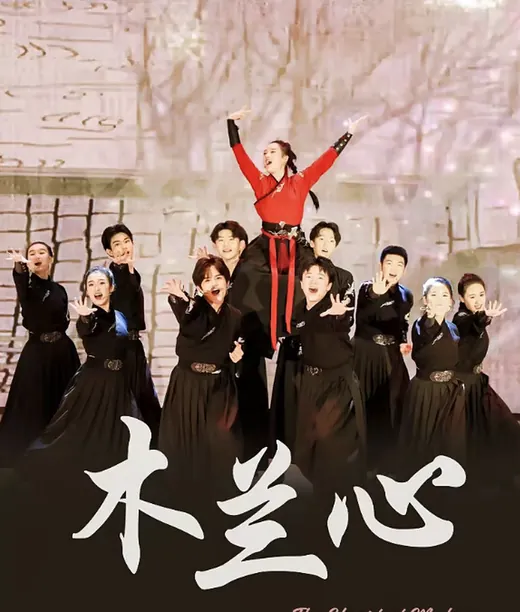
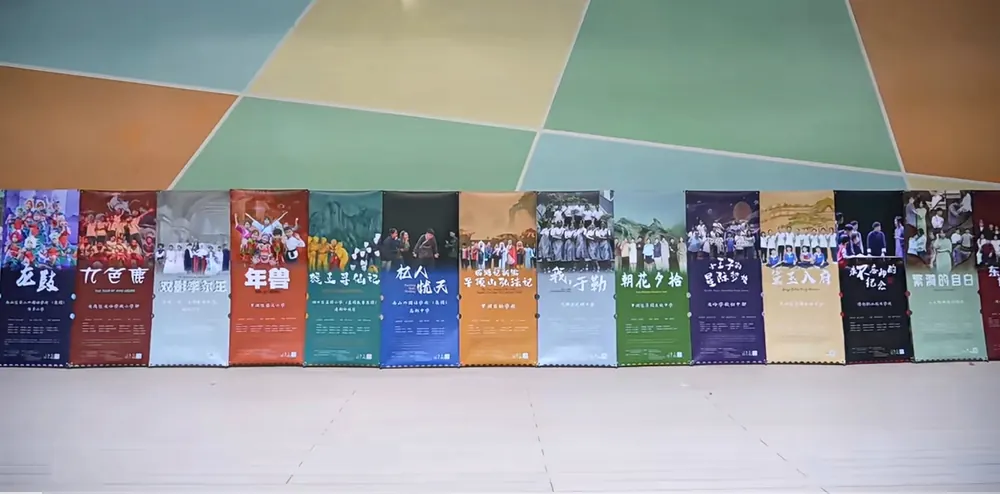
Alongside script work, I produced selected WeChat promotional texts, a competition poster and display banners, and designed customized visuals for finalist productions. I co-designed the booklet and merchandise with a professional designer; my responsibilities also included meeting workflow improvements and event-day support.剧本工作之外,我还独立承担部分微信公众号宣传文案、活动海报、易拉宝以及进入决赛学校的定制封面设计,并与专业设计人员共同完成手册和周边,也参与会议流程优化与赛事现场执行。
Written notes for student teams, not official judgments.为师生提供书面改编建议,而非替代评委裁决。
Six on-site workshops supported with professional drama educators.与专业戏剧教师协作走访6所学校。
Selected posters and finalist covers independently developed; other materials co-designed.独立设计部分宣传海报、决赛封面,合作完成部分手册及周边。
Materials, judges’ notes, meetings and final-event support.材料汇总、评委反馈整理、会议与决赛现场支持。
I watched students who independently designed lighting, music and scenes. I also watched younger performers follow detailed adult instructions with little room to explain their own choices. Neither observation erased the extraordinary care that teachers brought to the work.我见过学生主动设计灯光、音乐和舞台,也见过年纪较小的学生主要执行教师给出的指令。这些观察并不能抹去教师投入的大量时间与关怀,却让我不断追问:怎样才算真正拥有创作自主性?
Participation in a creative performance is not necessarily the same as ownership of the creative process.参与一场创造性活动,不必然意味着拥有创造过程中的自主权。
If I could redesign the support system, I would explore a low-cost toolkit for student directors, playwrights, actors and production crews. Role-based prompts would guide them through preparation, development and final rehearsal, helping teachers scaffold without taking over. Responsible AI could become one optional reflective aid, not an author that makes the decision.如果重新设计支持机制,我希望探索一套低成本、分角色的戏剧创作工具包:为导演、编剧、演员和后勤团队提供前期、中期和演出前期的学习资源、反思问题及协作记录。AI可以成为辅助反思的工具,但不应代替学生作出创作决定。
This experience directly informed my later curriculum design, The Contemporary Trial. There, the sequence Understand → Judge → Rewrite makes interpretation, argument and creative authorship explicit parts of learning rather than incidental by-products of a performance.这段经历直接启发了我后来的《当代审判》课程设计。在那里,“理解 → 判断 → 重写”不再只是一次演出的附带过程,而被设计成学生需要经历、讨论和反思的学习路径。